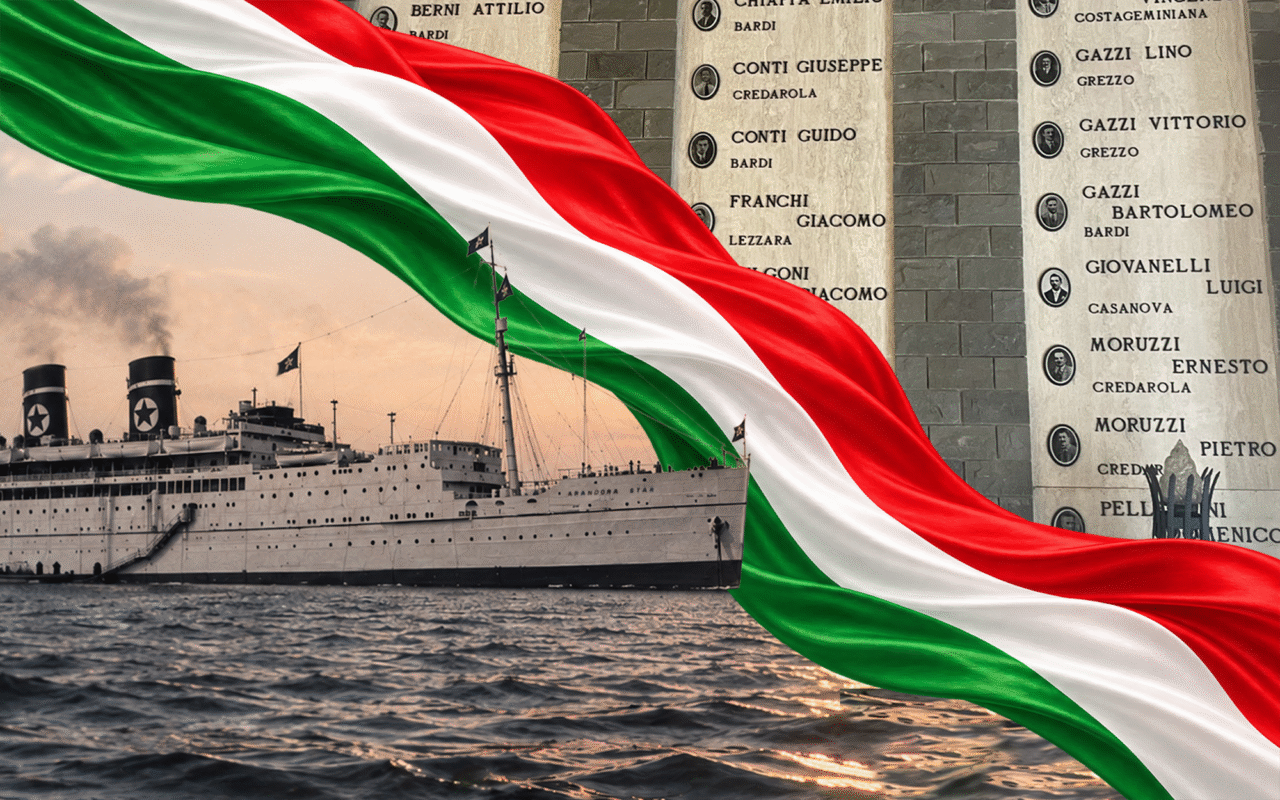
More than 85 years after the sinking of the Arandora Star, Italy has established a Giornata nazionale in memoria delle vittime dell’Arandora Star (National Day of Remembrance for the Victims of the Arandora Star) for the 446 Italians who lost their lives in what the Italian Parliament describes as the worst massacre, by number of victims, in the history of Italian emigration.
It is a tragedy with particularly strong connections to both Wales and Bardi, but one which affected Italian communities across Britain and families across Italy. For decades it remained relatively little known outside those communities and the new National Day is intended to change that.
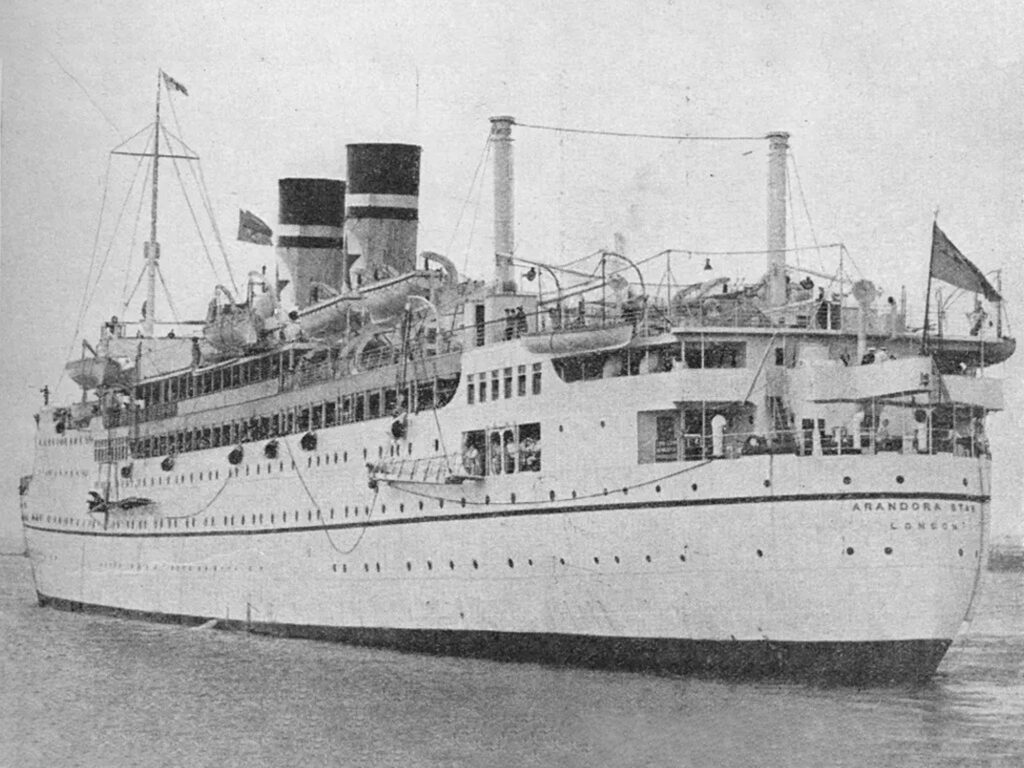
The Arandora Star
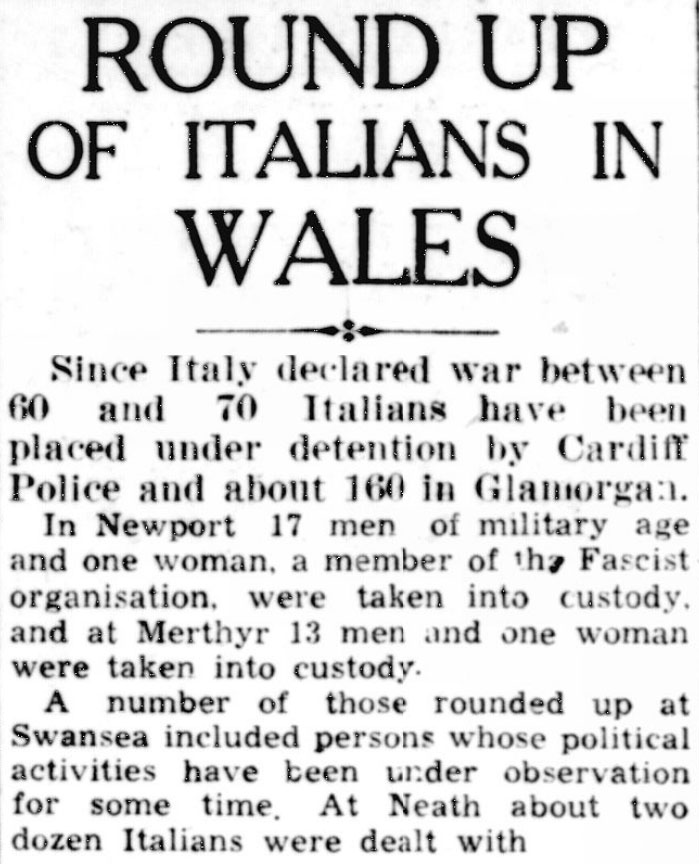
When Italy entered the Second World War against Britain on 10th June 1940, thousands of Italian-born civilian men living in Britain were arrested and interned on the assumption that they might pose a threat.
Many had lived in Britain for decades and were well established and respected within their local communities. Some had British-born wives, many had British-born children and there were also families with sons serving in the British Armed Forces and daughters contributing to the war effort, including through the Women’s Land Army.
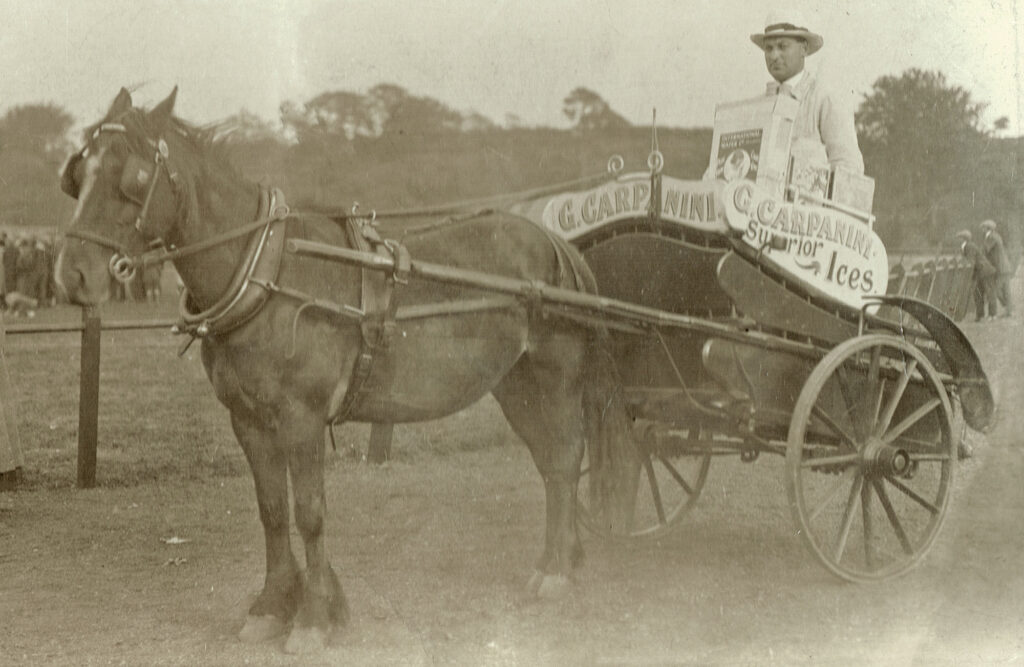
The men were taken from Italian communities throughout England, Scotland and Wales. After being held in internment camps, some were selected for transportation overseas, either to Australia or Canada.
On 1st July 1940, the Arandora Star left Liverpool bound for Canada. On board were Italian and German internees and prisoners of war, together with Austrian internees, the ship’s crew and a military guard.
Just before 7am on 2nd July, the ship was torpedoed by the German submarine U-47 in the Atlantic and sank in less than an hour. Whilst some of those aboard survived, more than 800 people died, including 446 Italians.
Wales and Bardi
The effects of the sinking were felt across Britain’s Italian communities. In Wales, where Italian families had established cafés, fish and chip shops and other businesses throughout the South Wales valleys and beyond, women were left to support families and businesses without their husbands and children were left without their fathers. Some of the surnames among those lost remain familiar in Wales today, including Basini, Berni, Bracchi, Carini, Conti, Fulgoni, Rabaiotti and Sidoli.
The consequences were also felt in the Italian towns and villages from which those families had emigrated, where parents lost sons and siblings lost brothers. Bardi suffered the greatest loss of any Italian comune with 48 men losing their lives.
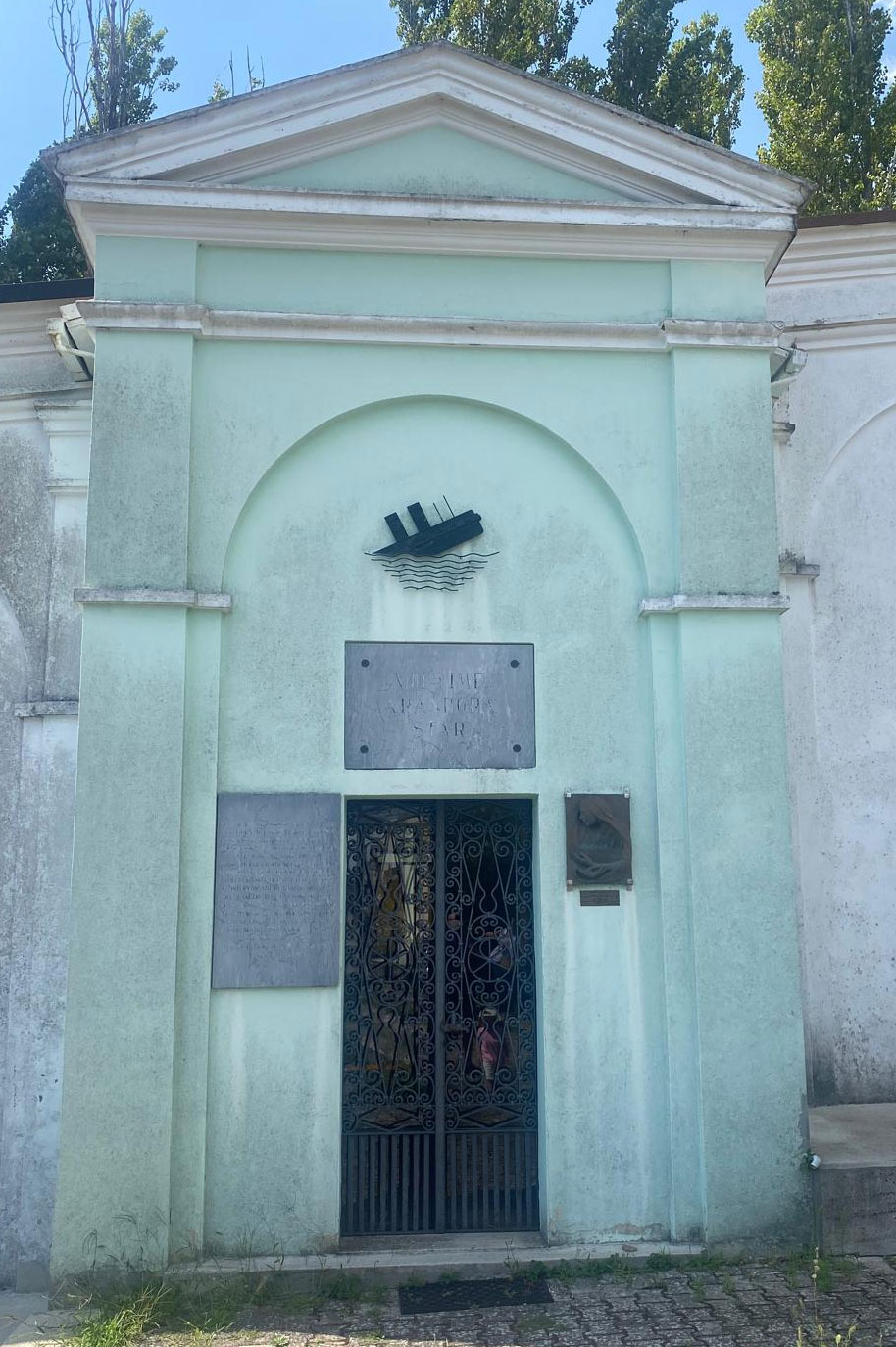
In 1968, the Comitato pro vittime Arandora Star was established in Bardi and has since worked to research the tragedy, commemorate its victims and ensure that their story was not forgotten. The committee’s successor organization, the Associazione nazionale Arandora Star APS is led by Giuseppe ‘Beppe’ Conti.
When the proposal for the new National Day was presented to the Italian Parliament, Bardi’s role was specifically acknowledged and the association was credited with helping to rescue the tragedy from obscurity through its persistence.
Italy’s National Day of Remembrance
A significant step towards national recognition came in 2020, on the 80th anniversary of the sinking, when the President of the Italian Republic, Sergio Mattarella, formally commemorated the innocent victims of the Arandora Star and expressed his sympathy to their descendants.
In 2026, the Italian Parliament approved the creation of the Giornata nazionale in memoria delle vittime dell’Arandora Star, to be marked each year on 11th October. The law provides for a minute’s silence in memory of the victims and encourages commemorations, educational activities in schools and national broadcasting about the tragedy.
The date is significant as whilst the ship sank on 2nd July 1940, 11th October marks the death in 2013 of Rando Bertoia, the last surviving Italian from the Arandora Star. Mr Bertoia spent much of his later life attending commemorations and helping to preserve the story of the disaster.
More than 85 years after the sinking, its 446 Italian victims now have an official place in Italy’s national calendar of remembrance.